Our gardens : are pesticide free, with sustainable, organic principles.
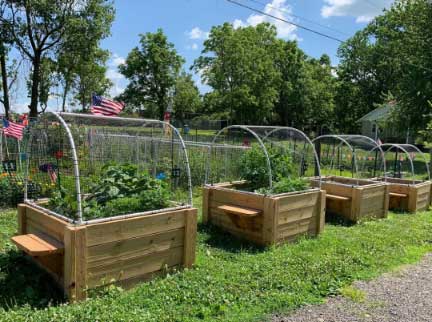
We have a saying at the Anderson Urban Farm: “Feet on the ground, hands in the dirt.” Here, people can rent a space in our community garden, where young and old alike learn techniques from their fellow “farmers” and share in their successes and failures.
What is an Urban Farm?
Traditionally, farms were an integral part of rural America. But millions of acres of farmland have been lost as cities and suburbs expand. Family farms have been swallowed up by industrial agriculture, characterized by large-scale single crops, heavy use of chemical fertilizers and pesticides, and meat production in CAFOs (confined animal feeding operations). Children, and often adults, don’t know where their food comes from or how it is produced.
In recent years, however, people increasingly want to have more control over their food choices. In particular, the recent pandemic highlighted the fragile nature of the food supply chain. Interest has increased in growing our own food, and reaping the health benefits of gardening and eating fresh produce. Small-scale “urban farms” can help fill this need by producing crops locally, or providing space for people who otherwise don’t have room for a garden.
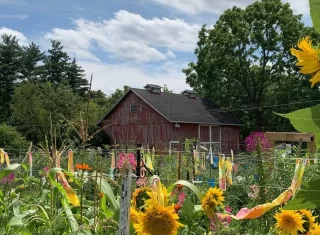
Over the past few decades these urban farms have created unique agricultural spaces in populated areas. There are community gardens in city neighborhoods where residents don’t always have access to fresh, affordable food. There are cutting-edge facilities that grow crops indoors, using super-efficient vertical farming techniques that don’t require soil or chemicals. And there are places, like the Anderson Urban Farm, that are scattered throughout the suburban landscape. These are often historic farm properties that were spared from development through the foresight of their owners, or the vision of nonprofit organizations who saw the true value of preserving these spaces.
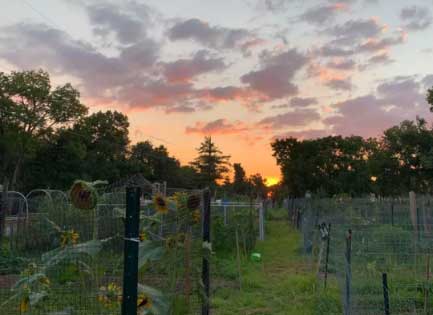
We have a saying at the Anderson Urban Farm: “Feet on the ground, hands in the dirt.” Here, people can rent a space in our community garden, where young and old alike learn techniques from their fellow “farmers” and share in their successes and failures. People can help tend our small flock of hens, and take home a clutch of fresh eggs. They can attend workshops to learn about food preservation and soil amendments. Or they can just sit for a time in this peaceful place, taking in the sights and sounds of the birds, insects, and animals who share our space, cool off in the shade of our majestic beech tree, and feel a hundred miles away from the hectic pace of the suburban life that surrounds us.
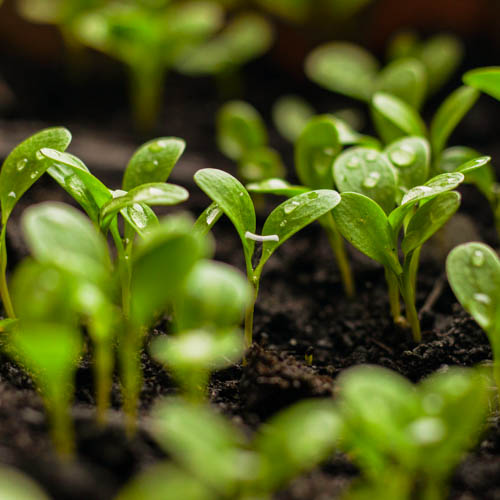
Growing plants from seeds involves several key steps: preparing the growing medium, planting the seeds, providing proper conditions for germination, and caring for the seedlings. Seed selection, understanding planting depths, and ensuring adequate light, warmth, and moisture are also crucial for success.
02.
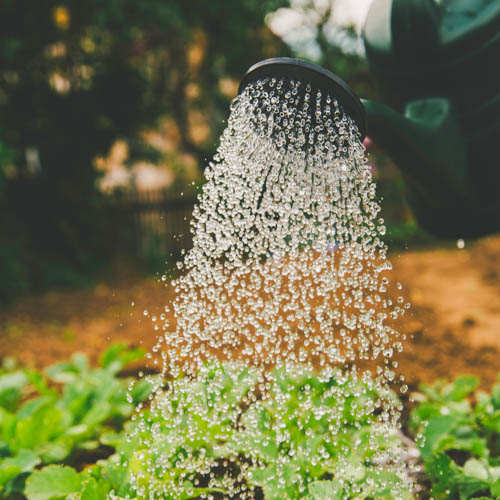
hydrate every day
Watering crops at the right time and in the right amount is important because it ensures healthy growth, strong yields, and high-quality produce. Proper watering helps plants absorb nutrients, supports photosynthesis, and keeps them from wilting or becoming stressed.
03.
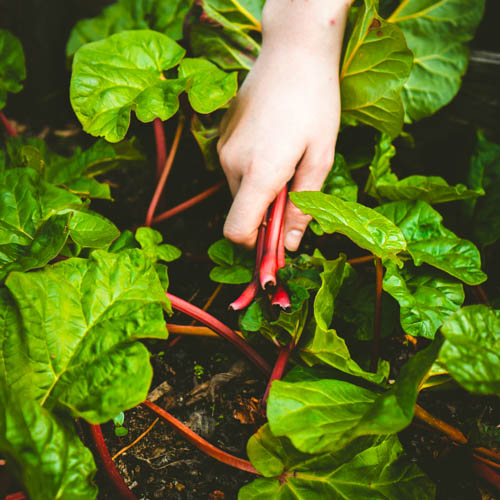
harvest at the right time
Harvesting at the right time is one of the most important steps in gardening or farming. It directly affects the flavor, nutrition, storage life, and even the health of your plants. Here’s why timing matters:
04.
SHARE YOUR FRUITS
Sharing your crop yields can be a powerful way to build stronger relationships with your community, customers, and even other farmers.
Mrs. Erinn Cox hatched the program with a generous grant from the McLane Foundation.
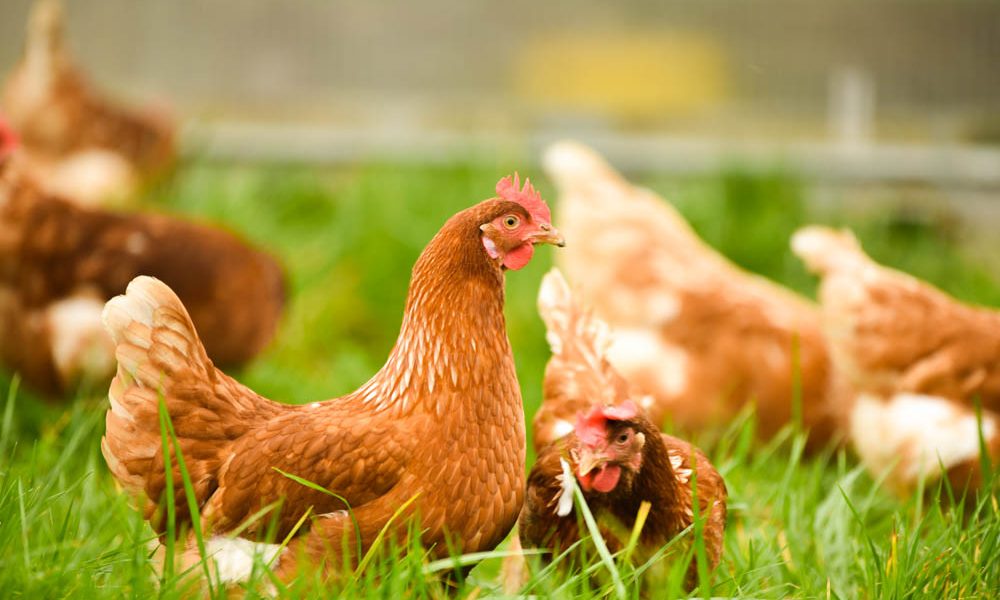
Our first flock consisted of six chicks: Woodstock, Henny Penny, Biscuit, Baby Spice, Smokey, and Einstein. These chickens are proudly known as our “First Ladies”.
We added five more birds to the flock in May of 2021 and also added a beautiful coop to the property where our chickens live and lay eggs for the volunteers who take care of them daily.
“ The creation of a thousand forests is in one acorn, and in every drop of water is the promise of the ocean. The smallest seed holds the mystery of life, and the patient gardener becomes the steward of this miracle."
- Ralph Waldo Emerson ”
“ Every blade in the field—every leaf in the forest—lays down its life in its season as beautifully as it was taken up.”
— Henry David Thoreau ”
“ The glory of gardening: hands in the dirt, head in the sun, heart with nature. To nurture a garden is to feed not just the body, but the soul.” — Alfred Austin ”